Saturday, May 2, 2015

REPOST: Sleeping for Two: Sleep Changes During Pregnancy

Hormonal changes and physical discomfort can alter a woman's quality of sleep during pregnancy. LiveScience.com article shares most common sleep changes that may occur in each trimester. 


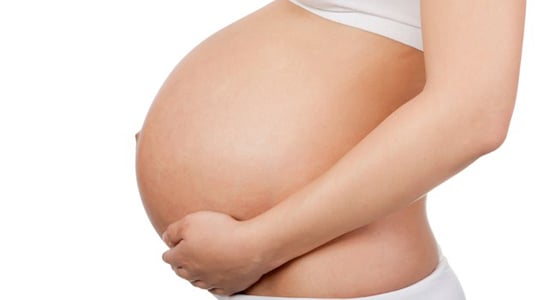
Pregnant woman sleeping
Mothers-to-be should spend at least eight hours in bed each night so they can get at least seven hours of sleep. | Image Source: livescience.com


Being pregnant can be a tiring experience for a woman's body. Both the physical discomforts of pregnancy as well as the emotional stress of this major life change can cause sleep problems and keep a mother-to-be awake at night.

Feeling exhausted is a common complaint during the first and third trimesters. But women might be caught off guard by how worn out they feel in the early months of pregnancy.

"A lot of women are totally surprised by how fatigued they feel during the first trimester," said Kathy Lee, a professor of nursing at the University of California San Francisco, who has studied how pregnancy affects sleep.

Women know about morning sickness in early pregnancy, but many first-time mothers say they had no idea about how tired they often feel at this stage, Lee said.

Sleeping for two

Similar to the advice that a pregnant woman should be "eating for two," health professionals should also be emphasizing the importance of "sleeping for two" during prenatal visits, Lee told Live Science.

One reason is that pregnancy can affect both the quantity of sleep a woman gets as well as the quality of it.

As their body changes and pregnancy discomforts make it more difficult to fall and stay asleep, mothers-to-be should spend at least eight hours in bed each night so they can get at least seven hours of sleep, Lee recommended.

Researchers have found that not getting enough sleep during pregnancy could affect a woman in ways that go beyond feeling exhausted during the day, irritability and poor concentration.

One of Lee's studies, published in the American Journal of Obstetrics and Gynecology (AJOG), found that first-time mothers who got less than six hours of sleep at night were 4.5 times more likely to have a C-section, and their average length of labor was 10 hours or longer compared with first-time mothers who slept seven hours or more.

"A woman really needs to go to bed earlier when she is pregnant," Lee said. Women need the extra rest, and they can't keep going on the same amount of sleep they got before becoming pregnant, she pointed out.

Pregnancy and fatigue

Researchers are still trying to figure out the exact reasons why pregnancy causes a woman to feel so exhausted, Lee said.

But to some extent, pregnancy-related fatigue is hormonal, she said. In the early phases of pregnancy, progesterone levels start to increase.

"Progesterone is a hormone that slows a woman down and mellows her out, and some women may perceive these effects as fatigue," Lee said.

Besides the influence of hormones, some of the sleepiness that women feel early in pregnancy could also be physiological as the uterus gets bigger and the fetus grows, coupled with pregnancy-related weight gain and fluid accumulation in the body, Lee said. These changes mean the body is working harder as the placenta forms to nourish the developing fetus, the blood supply increases and the heart beats faster.

And emotional factors can also play a role. The excitement and anticipation of having a baby as well as the fears of impending motherhood and the anxiety about labor and delivery can all be stressful and make a woman feel more tired than usual.

Here's what to expect in terms of sleep changes during the three stages of pregnancy.

Sleep and the first trimester

In the early months of pregnancy, rising progesterone levels may not only make a woman feel drowsy, but they may also be partly to blame for the frequent need to pee, which can also disrupt sleep and worsen sleepiness.

During the first trimester, the hormones leading to the bladder get sluggish, which increases a woman's urine production. This can cause her to wake up and need to go to the bathroom more frequently at night, Lee explained.

To reduce their nightly bathroom visits, women who are expecting may want to cut back on fluids in the evenings. However, they should not cut back on drinking plenty of fluids during the day because water and other liquids are important to help prevent constipation and excessive swelling, two common pregnancy discomforts.

Another factor that can rob a woman of the shuteye she needs is the nausea known as morning sickness, which can happen any time of the day or night. To relieve the queasiness, some women eat crackers or dry cereal before getting out of bed in the morning.

Women might also feel warm or hot when they sleep during pregnancy because of an increased metabolic rate, Lee said. A fan often helps to keep a woman cooler, she said, plus it can block out noise inside and outside the bedroom, including a snoring bed partner.

Bedmates are not the only ones who might be snoring. Snoring is common in pregnancy, and it can start in the first trimester in women who are already overweight or have allergies, Lee said.

Because of the many possible disruptions to sleep during pregnancy, napping is a good idea as long as a woman can fall asleep that night, Lee said.

But avoid using sleeping pills and even sleep-inducing supplements, such as melatonin, during pregnancy, Lee said.

Sleep and the second trimester
The second trimester of pregnancy is usually the best for women, Lee said. "Everything levels out and things aren't changing quite as fast."

Lee explained that hormonal changes, which are steep during the first trimester, level off during the second trimester, and then are steep again in the third trimester. 

Leg cramps may occur at night during the second trimester. And some pregnant women, especially if they anemic and have low iron levels, may experience restless legs syndrome beginning in the evening hours of the second trimester and becoming more severe in the third trimester, Lee said. This condition, in which the legs feel jumpy, as if they had ants crawling up and down their veins, can occur while sitting or lying down and might be extremely uncomfortable.

Often the only relief from the pain is from walking around, Lee said, but then a woman may not be able to fall back asleep.

Heartburn is another problem that can keep women awake at night. As pregnancy progresses and a woman's uterus gets bigger, it may press on her stomach, making a burning sensation more common.

Sleeping on the left side with the knees bent may be a better position for women who are experiencing heartburn during pregnancy, Lee said. Some women may also try sleeping with the head of the bed elevated or by propping their head on more pillows to ease the acid backwash of heartburn.

A lot of women say they have bizarre dreams related to their baby during pregnancy, Lee said. Although many women report strange dreams, the results from her research did not show any differences in dreaming across the trimesters compared with dreaming before a woman becomes pregnant.

"It might be that women are able to remember their dreams better during pregnancy because they are waking up more often," Lee told Live Science.

Sleep and the third trimester
As a woman's belly increases and the fetus is getting bigger and more active, Lee suggested that pregnant women sleep in any comfortable position they can find.

But she advised mothers-to-be to stay off their backs as much as possible because a heavy uterus can press on nerves in the spine and on a major vein that carries blood between the lower body and heart.  

The National Sleep Foundation recommends that pregnant women sleep on their left side, which may improve the flow of blood and nutrients to the developing fetus and to a woman's heart, uterus and kidneys.

Use pillows to be more comfortable, placing one between the knees, a second under the belly, and a third behind the back to support it and relieve pain, Lee advised.

Snoring is also a more common occurrence in the third trimester of pregnancy as a result of weight gain and more nasal congestion, Lee said. She recommended that women who have stuffy noses use nasal strips to help open up their nasal passages and improve their nighttime breathing. 

One study found that women who began snoring while pregnant may be at greater risk of pregnancy-related high blood pressure and preeclampsia, a condition of high blood pressure during pregnancy, compared with mothers-to-be who did not snore.

More interesting facts about pregnancy can be read by visiting this Louis Habash on Twitter account.


Saturday, March 14, 2015

REPOST: No one needs to worry about 'pregnancy abs'

Have you heard about pregnancy abs? A 30-year-old model Sarah Stage started posting pregnant belly selfies on her instagram and proves that pregnancy is not an excuse to let yourself go and look well.


Sarah Staged (2nd Right) speaking about the controversy surrounding her 'pregnancy abs' Instagram posts
Sarah Staged (2nd Right) speaking about the controversy surrounding her 'pregnancy abs' Instagram posts | Image Source: dailylife.com.au


As any self-respecting pregnant woman knows, pregnancy is not an excuse to let yourself go and look, well, you know, pregnant. But it's no longer enough to just not gain weight. Mums-to-be now must also be as cut as a serpent's tooth.

Allow me to present to you... pregnancy abs.

The 'pregnancy abs' thing began after 30-year-old lingerie model Sarah Stage started posting belfies- pregnant belly selfies- at roughly the same frequency as pregnant women need to pee.

Stage's 1.2 million Instagram followers soon began following her pregnancy (and her six-pack) as closely as her obstetrician.

Initially her followers were full of praise and admiration for her tiny bump and visible abs. Some wished they looked like her when they were pregnant. Others wished they looked like Stage even when they're not pregnant.

"I look like this right now after eating a bowl of soup," wrote one follower of the model's barely-there belly. Even US Cosmopolitan appeared to be in awe, declaring: "Sarah Stage is so pregnant and so hot right now".

Bizarrely, US Cosmo also took the opportunity to provide other pregnant women with tips on how to get their own pregnancy six-pack.

"You can have insane abs during your pregnancy — here's how," promised one article.

It's simple! All you need to do is eat small meals to "maintain the integrity of the muscles so they don't stretch"- never mind the stretching from the growing baby- and exercise regularly. And, oh yes, it helps if you have the genetics of a supermodel.

To top it off, the site even enlisted the 'expertise' of personal trainer Franci Cohen, who said she "went back to teaching workout classes days after giving birth to each of her four children".

Hear that you lazy new mums who want to rest and recover from your pregnancy and birth?

While some gawked at Stage's tone stomach, others were quick to chime in with shaming comments. In fact, some of Stage's own followers decided they'd take it upon themselves to bring her down a peg or two.

Faster than you can say 'selfie stick', the concerned medical professionals of Instagram- also known as 'Complete Strangers With No Discernible Medical Training'- started accusing the model of causing harm to her unborn child.

"The baby is probably really small and I would imagine she will have a hard time making milk," wrote one critic."Where's this baby hiding at? Definitely not her tummy!!" snarked another.

Despite the wave of online concern, Dr Bill Batman, who manages shared care obstetrics at the Royal Women's Hospital, says it's impossible to know if Stage was jeopardising her baby's health from an Instragram photo.

"I would think that she probably isn't, but you can't tell just by looking at someone's abdominal musculature," Dr Bateman says.

And for those who are curious about how common "pregnancy abs" are, Dr Bateman has a reasurring (if predictable) message:

'I've never seen a pregnant patient with a six-pack and that includes women who are personal trainers and gym enthusiasts," he says. "These people haven't remotely come close to a six-pack, although they probably haven't been planning to."

If there's one thing we can take away from the whole pregnancy abs episode, it's that we, as a culture, have officially reached Peak Stupid.

Both sides of the 'pregnancy abs' kerfuffle have spectacularly missed the point. The issue is not that a woman somewhere has pregnancy abs. The real issue here is that people still feel entitled to weigh in on whether there's a right and a wrong way to do pregnancy.

There's not.

Every body is different. Is it really that shocking that an underwear model who's pregnant looks like an underwear model who's pregnant?

It's also not surprising that a woman who makes a living from taking photos of herself in her undies continues to do so when she's pregnant.

Sure, look at the Instagram feed if you want. But let's not turn 'pregnancy abs' into a moral or health issue. And let's not pretend that the same look is achievable for most women with some careful dieting and exercise.

But most of all, let's leave Stage's health, and that of her baby, to her and her medical professionals.

Get more helpful tips on pregnancy when you like Louise Habash on Facebook page.

Saturday, January 31, 2015

How to deal with depression after a miscarriage


Image Source: pregnancybirthbaby.org.au


Miscarriage can happen to one in five pregnant women. It is defined as a spontaneous pregnancy loss and usually occurs during the first 20 weeks of conception. It's a painful experience -- physically and emotionally. It can certainly feel devastating for you and your partner but there are ways to get through these feelings of depression. Here are some tips from women who have suffered the same loss:

Don’t blame yourself. Do not blame your partner, either. Miscarriage can happen to anyone regardless of age or race. If you think that you did something to prompt spontaneous pregnancy loss, then learn from it and avoid doing the same in your next pregnancy.

Allow yourself to heal. I mean this as both emotionally and physically. Although your body may recover much faster than your broken heart, it is important to remember to take care of yourself. Give yourself some time to grieve. It won't be easy and you may want to take a couple of days off of work but it is necessary.


Image Source: fatherhood.about.com


Don’t push others away. You may feel like no one understands your pain (not even your partner) but that is not a reason to keep your feelings to yourself. Pushing people away will not help you overcome your feelings of anger, loneliness, and guilt. Let others help you get back on your feet.

Accept. Acknowledge that you have lost your child but do not think that this fact makes you less of a mother. Don't belittle yourself. Acceptance is the last stage of grief and you know you're on your way to recovery when you've finally accepted the reality of it all.


Image Source: bodyandsoul.com.au


Hello! I'm Louise Habash, a Texas-based obstetrician subspecializing in perinatology. Follow me on Twitter to learn more about the intricacies of pregnancy and motherhood.

Sunday, November 30, 2014

REPOST: Daily Checkup: Preventive care is the key to dealing with high risk pregnancies

 The saying, "prevention is better than the cure," applies to everyone, most especially to pregnant women. Dr. Joanne Stone, Division Director of Maternal Fetal Medicine at Mount Sinai Hospital, talks about identifying potential threats as a way to avoid adverse outcomes in this New York Daily News article below:


The Division Director of Maternal Fetal Medicine at Mount Sinai Hospital, Dr. Joanne Stone specializes taking care of women who have high risk pregnancies. She has been working in the field for over 20 years. | Image Source: nydailynews.com

The Specialist

The Division Director of Maternal Fetal Medicine at Mount Sinai Hospital, Dr. Joanne Stone specializes taking care of women who have high risk pregnancies. She has been working in the field for over 20 years.

WHO’S AT RISK

What is considered a high risk pregnancy? “While there’s no absolute definition, in general there’s either something about the mother’s condition that places her at high risk or something specific to the pregnancy itself — for instance, if it’s twins, triplets, or there are fetal anomalies,” says Stone. “Age increases a woman’s risk for complications, as do many medical conditions including diabetes, ulcerative colitis and Crohn’s disease, obesity, and high blood pressure.” Pregnancy risks are elevated for women over the age of 35.

Pregnancy risk is assessed on a spectrum. “There are extremely high risk patients — like a woman who has a renal transplant and has had a heart attack,” says Stone. “A healthy 32-year-old woman carrying twins would be a much lower risk situation, but some women will still consider themselves at high risk in that case.”

The idea behind identifying the risk level of a pregnancy is to emphasize preventive care, not to raise expecting moms’ anxiety levels. “Identifying potential problems is a way of preventing adverse outcomes,” says Stone. “For instance, it’s important for women with diabetes to have excellent blood sugar control for two to three months before conception — then their risk of birth defects is no higher than the general population.”

Women who have been pregnant before can also be an increased risk. “A pregnancy is considered high risk if the mother obstetrical history includes premature birth, a prior still birth, multiple miscarriages, or having a baby that was extremely small,” says Stone. “The good news is that for women who have had a prior preterm labor and delivery, we have medications that have been proven to lower the risk of recurrent pre-term birth. For other women who have had a prior small baby or stillbirth, we can do a workup to try to identify and cause and help prevent in from happening again.”

SIGNS AND SYMPTOMS

By identifying high risk patients, doctors hope to prevent them from developing symptoms in the first place. “Prevention and management are our goals,” says Stone. “For instance, if you have a history of blood clots, we can put you on blood thinners to prevent that from occurring.”

If something does go wrong, there are some red flags to look out for. “One symptomatic disorder is preeclampsia, which can cause headache, visual changes, pain in the upper right side, and elevations in blood pressure,” says Stone. “Patients with some medication conditions, like significant kidney disease or diabetes, or who are carrying a pregnancy of multiple fetuses, are more likely to have pre-term labor. Its signs are feeling menstrual-type cramps that are getting worse, leaking fluid, and feeling a lot of pressure.”

TRADITIONAL TREATMENT

Any necessary treatment regimen will depend on the underlying condition or factor that makes the pregnancy high risk. “The management of diabetes is very different for pregnant women — their glucose control needs to be tighter than when they are not pregnant,” says Stone. “If the maternal blood glucose is too high, it crosses the placenta and causes the baby’s pancreas to start producing excess insulin.” These women are also at risk of the baby’s being big, so doctors perform more frequent ultrasounds.

Modern day technology allows doctors to track the fetus’ development much more carefully. “For women who have developed antibodies against the fetus’ red blood cells from a previous pregnancy, we can monitor the blood flow in the fetus’ brain to tell if the baby is getting anemic, in which case we can do an in utero blood transfusion,” says Stone. “In some cases, the fetus can develop a bladder outlet obstruction that can damage the kidneys, which we can fix by placing a shunt.”

There’s a long list of conditions that can raise a pregnancy’s risk of complications, but doctors can hold most of them in check. “There are very very few times when I counsel a patient that they shouldn’t get pregnant — the vast majority of diseases are manageable,” says Stone. “There's so much we can do to optimize the outcomes for patients, and most of them can do very very well."

RESEARCH BREAKTHROUGHS

Doctors are continually pushing forward with research projects. “At this point, we can now do in utero surgery for some babies who are diagnosed with spina bifida, an opening in the vertebral column,” says Stone. “This surgery can make a huge difference. We’re constantly doing research to improve outcomes for the major problems.

Questions for your doctor:

If you’re considering getting pregnant, ask you doctor, “Can I have a pre-conceptual consult?” It’s a good idea to go over your personal history, family history, and any medications you’re taking — for instance, you might need to swap out one of your medications for blood pressure, seizures, and depression. Be up-front about asking, “What screening do I need?” And follow up with, “Are there any tests that I don’t need?”

“Coming up with a management plan can help reduce adverse outcomes,” says Stone. “We now know so much about the diseases and about pregnancy — there’s a lot we can do to help women have the healthiest pregnancy possible.”

WHAT YOU CAN DO

Get informed .

If you have questions about what tests are appropriate for you, check the Choosing Wisely website — part of a campaign to help doctors and patients form a testing plan that is evidence-based, safe, not duplicative, and “truly necessary.” Mount Sinai also hosts a plethora of information on high risk pregnancies (mountsinai.org/patient-care/service-areas/obgyn-and-reproductive-services/areas-of-care/pregnancy-and-birth/maternal-fetal-medicine).

Keep moving.

“Exercise is good for the vast majority of patients — it helps control blood glucose and blood pressure,” says Stone. “Talk to your doctor about what exercise routine is right for you.”

Avoid high-mercury fish-and undercooked hot dogs.

Swordfish, mackerel, kingfish, and tilefish should be avoided entirely, and tuna should only be consumed in limited qualities; undercooked hot dogs are the “No. 1 culprit” for spreading listeria, a common food-borne bacteria.

Moderation is the watchword.

“Most things in moderation are okay — 1.5 cups of coffee a day has been shown to be safe,” says Stone. “And you can take a Tylenol if you have a headache.”

Don’t hesitate to call your doctor.

Raise your questions and concerns directly with your doctor. “There’s some good information on the Internet and some really bad information,” says Stone.

Find more expert tips for mom-to-bes by following this Louis Habash Facebook page.

Friday, October 31, 2014

Understanding morning sickness: Signs and symptoms


Image Source: parentables.howstuffworks.com


According to Morning Sickness USA, morning sickness affects 85% of pregnant women. Symptoms begin to manifest around the 4th week to 6th week of pregnancy. The following are the common symptoms women may experience with morning sickness:

• Nausea
• Sensitive sense of smell and taste
• Fatigue

Morning sickness is defined as a nauseous, queasy feeling in your stomach that may or may not cause vomiting. It is actually a misnomer because morning sickness can happen at any time of the day. It is caused by hormones and increased amount of stress and changes in the body aligned with the pregnancy. Though there isn’t any surefire cure to stop morning sickness, AmericanPregnancy.org created this list of tips to alleviate the feeling of nausea:


Image Source: americanpregnancy.org


• Eat small meals often
• Drink fluids 1/2 hour before or after a meal, but not with meals
• Drink small amounts of fluids during the day to avoid dehydration
• Eat soda crackers 15 minutes before getting up in the morning
• Eat whatever you feel like eating, whenever you feel you can
• Ask someone else to cook for you and open the windows or turn on fans if the odor bothers you

• Get plenty of rest and nap during the day
• Avoid warm places (feeling hot adds to nausea)
• Sniff lemons or ginger, drink lemonade, or eat watermelon to relieve nausea
• Eat salty potato chips ( they have been found to settle stomachs enough to eat a meal)
• Exercise

Generally, morning sickness will not harm you or your baby but there are extreme cases where women experience excessive vomiting and inability to keep food down. This condition is called hyperemesis gravidarum. Unlike common morning sickness, hyperemesis gravidarum can be harmful for the baby and should not be left untreated. You should raise any concerns with your attending gynecologist should symptoms appear and talk about proper treatment.


Image Source: peoplescommclinic.org


Get more helpful tips on pregnancy when you follow Louise Habash on Twitter.

Tuesday, September 9, 2014

REPOST: Kate Middleton Suffering from Hyperemesis Gravidarum. What Does It Mean?

Vomiting and nauseousness is often attributed to morning sickness among pregnant women but this article from Yahoo raises awareness regarding a more serious condition called hypermeses gravidarum (HG), a condition that even the British royalty is not immune to. Find out more about HG below.

Image Source: yahoo.com

For most people, a bout of vomiting is something akin to torture. So it’s easy to sympathize with pregnant-again Kate Middleton who, it’s just been revealed, is suffering from a debilitating condition called hyperemesis gravidarum (HG), which causes persistent nausea and vomiting to the point of weight loss and dehydration, apparently making standard morning sickness look like a walk in the park.

It’s the duchess’s second bout with the condition. She also suffered through it during her first pregnancy, with Prince George, who is now a year old. And now, not quite 12 weeks into her second pregnancy, she’s being treated for HG once again — which is not all that surprising, since women who have HG in one pregnancy tend to have it again, though often less severely than the first time around. “The Duchess of Cambridge’s second pregnancy with HG is a reminder: Women who experience this condition face an 80% chance of repeat diagnosis in future pregnancies,” noted a statement from the HER Foundation, a grassroots network of HG survivors and an information clearinghouse on the condition. “And while the severity and duration of symptoms vary among women, HG remains a debilitating and even life-threatening medical condition that can have serious consequences for the health of both mom and baby.”

Since the condition is genetic, 20 percent of women who are affected have a sister who also had HG, and 30 percent have a mother who had HG, Marlena Fejzo, of Harvard University, a leading researcher on HG, told Yahoo Health.

“It’s terrible,” said Fejzo, who is an advisory board member with the HER Foundation. Maternal complications of severe HG, she said, can include detached retinas, fractured ribs, blown eardrums and esophageal tears, she said, all a result of frequent vomiting, as well as malnutrition. Fejzo has found through her research that 18 percent of women who suffered through an HG pregnancy wind up with post-traumatic stress disorder, while 37 percent decide to not have any more children because they don’t want to endure HG again. In addition, 15 percent of HG sufferers wind up making the painful decision to abort, often referred to as a “therapeutic termination,” she said. There have also been a few reports of maternal deaths, as a result of stomach tears and bleeding. “So it’s very severe,” she noted.

“It is a devastating condition,” Dr. Irina Burd, director of research for the division of maternal fetal medicine at Johns Hopkins University in Maryland, told Yahoo Health. It’s also quite rare, affecting only about one to two percent of pregnant women. “We try to manage with a patient’s treatment at home, but it often winds up with a hospitalization,” Burd said. “Every patient and every situation requires a personalization of care.” The constant nausea and vomiting can lead to dangerous vitamin deficiencies, weight loss, and dehydration for the affected mom-to-be, which is why hospitalization is so often required, though Middleton has not yet reached that point this time around.

It’s not known what causes HG, although it’s widely understood to be related to rising levels of the pregnancy hormone, hCG (human chorionic gonadotropin), and how, in certain individuals, that may trigger the part of the brain affecting nausea and vomiting. “We are on the cusp [of understanding the root cause],” Fejzo said. “But as far as a genetic study and finding the cure, we’re just getting there.” Other factors triggering HG seem to include rising estrogen levels, gastrointestinal changes, and high-fat diets.

While effects on the fetus seem to be rare, some research has indicated that babies whose mothers suffered an HG pregnancy are more likely to be premature or have a low birth weight, or to be vitamin-K deficient, Fejzo noted.

Treatments vary greatly, Burd said, and often begin with dietary changes and the consumption of small, protein-filled snacks rather than large meals. If weight loss continues, and the patient is hospitalized, treatments can include pyridoxine, a high-dose vitamin B6, and doxylamine, an antihistamine, the combination of which can ease nausea, Burd explained. Reglan and Zofran have also been effective, Vincenzo Berghella, president of the Society for Maternal-Fetal Medicine, told Yahoo Health. “Even ginger, or those acupressure wristbands, like people use for seasickness, can help,” he said, adding that symptoms of HG most often spike between the 10th and 12th week of pregnancy, often subsiding between week 14 and 16. But for those for whom it lingers, life can be difficult.

“I wouldn’t wish hyperemesis gravidarum even on evil people,” wrote Parents blogger Kristen Kemp in a revealing first-person essay during news Middleton’s first difficult pregnancy. “Hyperemesis gravidarum (HG) tried to kill me during both of my pregnancies. I took gobs of medication, checked in for several stays at the hospital and, as a last resort, considered abortion at the suggestion of my ob-gyn.” She managed to move past that idea, although it was a very tough road — one that often had her questioning her sanity. But, she soon realized, “I had a freak illness, but I was not a freak. Just ask Kate Middleton.”

Find out more about the conditions that may arise during pregnancy and how to treat them by following Louis Habash on Facebook.

Friday, August 29, 2014

REPOST: Fetal Pain – When Does Pain Become Pain?

 Expecting mothers usually have a lot to worry about. One of these causes of anxiety for mothers is whether their babies feel any pain. This article from Brain Blogger discusses the subject of fetal pain in depth.

Image Source: brainblogger.com

Whether fetuses do indeed feel pain and, if they do, when do they acquire the ability to feel it are matters of great debate.

Fetal pain is a subject that is particularly prone to controversy, stretching far beyond its scientific aspects. And there is always increased attention to this topic whenever legislative changes regarding the intentional termination of pregnancy are impending.

Research on fetal pain is understandably complicated. The first and most obvious difficulty is that you cannot ask a fetus if something hurts and, therefore, there is never certainty that there is pain. When talking about pain, one must keep in mind its definition, which, according to the International Association for the Study of Pain, is: “An unpleasant sensory and emotional experience associated with actual or potential tissue damage, or described in terms of such damage.”

The emotional component of pain entails the need for consciousness to allow the recognition of the unpleasantness of a stimulus. It is this subjective cognitive component of pain that distinguishes it from nociception, which is defined as the neural processes of encoding actual or potentially tissue-damaging events.

Pain is a psychological state and therefore, when trying to infer whether fetuses can feel pain, not only the capacity to detect potentially painful stimuli, but also the capacity to consciously perceive them have to be evaluated. That possibility has to be inferred from data such as fetal anatomy, neurochemistry, behavior, the development of neural circuits, and the production of stress related hormones in response to stimuli. But even these aren’t easily studied.

In order for a stimulus to be perceived as painful, a whole circuitry has to be fully developed: information must travel from spinal cord neurons, whose axons project to the thalamus, which sends afferents to the cerebral cortex. From what research, within its limitations, has been able to determine, functional sensory fibers and spinal reflexes can be found by 20 weeks of gestation, as well as connections to the thalamus. However, this path becomes fully functional only in the third trimester, around 29 to 30 weeks’ gestational age, when mature projections from the thalamus to the cerebral cortex are present.

Although withdrawal reflexes in reaction to cutaneous stimulation are observable at earlier developmental stages, these do not imply effective pain perception since they are not specific to nociceptive stimuli and are not dependent on cortical mediation. Likewise, stress responses such as increased blood flow, heart rate and respiratory rate, as well as neuroendocrine changes that include increased production of catecholamines, cortisol, and other stress hormones, or increased beta-endorphin or noradrenaline release, can also be observed early in the second trimester, but again, these are not necessarily indicative of pain perception.

Overall, amidst the debate, with some arguing that fetusus can feel pain earlier by using subcortical structures, and others arguing that the fetus cannot feel pain by being maintained in a state of sedation in the womb, it is generally agreed that the minimal necessary neuronal pathways for pain are in place by 24 weeks gestation.

Learn more interesting facts about pregnancy and being a mother by following Louis Habash on Twitter.

Thursday, July 17, 2014

REPOST: Skin-to-skin contact 'all benefits' for moms, babies

Read about the positive effects of skin-to-skin contact between mother and child immediately after birth from this article at Clinicaladvisor.com:
 
Image Source: clinicaladvisor.com

Over the last year, the hospital that I work with has been making strides towards achieving the Baby-Friendly designation.

The Baby-Friendly Hospital Initiative is a program that was started by the World Health Organization (WHO) and United Nations Children's Fund (UNICEF) to encourage practices that promote breastfeeding and maternal/newborn bonding. This, in turn improves outcomes for both mothers and newborns.

In order to receive the Baby-Friendly designation, a hospital or birth center must prove that they are providing evidence-based care and following strict the guidelines for best practices, as laid out by WHO and UNICEF. These practices are all focused on early initiation of breastfeeding and maintenance of lactation beyond the hospital stay.

One of my favorite things about striving for the Baby-Friendly Hospital Initiative is the promotion of immediate skin-to-skin contact between a mom and her newborn after birth.

Long supported by midwives, the practice of putting a baby on his mother's bare chest immediately after birth is not a new idea. But for years, hospitals insisted on whisking the baby away to clean, dry, warm, and assess him. Growing research, however, is now proving the benefits of immediate and ongoing skin-to-skin contact between a mother and her infant.

Evidence has shown that skin-to-skin contact immediately following birth promotes a faster and easier transition from fetal to newborn life. These babies have better temperature, respiratory, and glucose regulation and show an overall lower stress level than babies that are separated from their mothers.

On the maternal side, mothers who have their newborns skin-to-skin after birth tend to breastfeed for a longer period of time, have improved maternal bonding behaviors, and less anxiety.

This practice should not be limited to vaginal deliveries. Whenever possible, newborns delivered by cesarean section should be skin-to skin with the mother as soon as possible. This may be more difficult for hospital staff and nurses, because the operating room tends to be crowded and everyone has a designated assignment.

Personally, when I attend one of my patient's cesarean births, I am there purely for the emotional support of the mother, so I am the perfect person to assist with skin-to-skin in the OR.

Every time I've placed a newborn on his mother's skin after a cesarean, I see a remarkable transformation that seems to be more dramatic and pronounced than skin-to-skin after a vaginal birth. Not only does the baby quiet down, open his or her eyes, and begin rooting behaviors, there is an immediate change in the mother. Her continuously monitored heart rate and respirations slow, she relaxes, and becomes less worried about the surgery. She is usually completely focused on her baby.

As long as the mom and newborn are healthy, the practice of skin-to-skin has no risks, and only benefits. In fact, WHO recommends that all newborns receive skin-to-skin care, regardless of the infant's gestational age, birth weight, or clinical condition.

Find more stories like this by subscribing to this Louise Habash Facebook Page.

Saturday, May 31, 2014

REPOST: During childbirth, serious anesthesia complications are 'very rare'

 This article from Medical News Today shares the findings of a study on the risks presented by anesthetics to pregnant women:


Image source: http://www.medicalnewstoday.com

For expectant mothers, the decision of whether to receive an epidural, spinal or general anesthesia during labor comes with certain risks to consider. But a new study suggests serious complications from such anodynes are quite rare and occur in only 1 in every 3,000 births.

The study - led by Dr. Robert D'Angelo, of Wake Forest University School of Medicine in North Carolina - is published in Anesthesiology, the journal of the American Society of Anesthesiologists.

An epidural is a local anesthetic that is delivered to the mother through a catheter placed in the back. While a spinal is similar to an epidural and is administered through a needle into the spinal canal, the effects of this procedure are felt immediately.

According to the American Pregnancy Association, epidurals are the most popular method of pain relief during labor; 50% of women who give birth at hospitals use epidurals.

Though these anesthetics provide comfort from the pain of childbirth, they also carry some risks. Some of these include serious complications, such as:

  • High neuraxial block - an unexpected high level of anesthesia that develops in the central nervous system
  • Respiratory arrest in labor and delivery
  • Unrecognized spinal catheter - an undetected infusion of local anesthetic through an accidental puncture of an outer spinal cord membrane.
In the first multi-center study of its kind to look at rates of serious complications linked to anesthesia, Dr. D'Angelo and his team used data from the Society for Obstetric Anesthesia and Perinatology's (SOAP's) Serious Complication Repository (SCORE) project.

This is a large database that captures delivery statistics and tracks complications.

Complications rare, but anesthesiologists 'should remain vigilant'
From 30 institutions between 2004 and 2009, the team found more than 257,000 deliveries where epidural, spinal or general anesthesia was given during childbirth; this included both vaginal and cesarean deliveries.

In total, there were 157 complications reported, and 85 of them were linked to anesthesia.

Though this is a small number of complications given the large sample size, the researchers observed the most common anesthesia-related complications: 1 in 4,336 deliveries resulted in high neuraxial block, 1 in 10,042 resulted in respiratory arrest in labor and delivery, and 1 in 15,435 resulted in unrecognized spinal catheter.

Commenting on their findings, Dr. D'Angelo says:
"We were extremely pleased to find that serious complications such as bleeding, infection, paralysis and maternal death were extremely rare. However, since many complications can lead to catastrophic outcomes, it is important that anesthesiologists remain vigilant and prepared to rapidly diagnose and treat any complication, should it arise."

The team intended to identify risk factors associated with the complications so that they could create formal practice advisories or guidelines, but because serious complications linked to anesthesia were so rare, they say there were too few complications in each category to identify these risk factors.

Even so, the researchers say their findings can be used to guide discussions with patients.

Additionally, the findings will be used to create a national obstetric anesthesia complication registry, as part of the Anesthesia Incident Reporting System. This system will be able to alert anesthesiologists and create new educational materials for patient safety, the team says.

Medical News Today recently reported on a study that suggested changing the way a baby is held before its umbilical cord is clamped could improve rates of iron deficiencies in newborns.


Follow Louise Habash on Facebook to find more articles about pregnancy.

Friday, March 14, 2014

REPOST: Gestational diabetes may increase heart disease risks for pregnant women

Researchers said that gestational diabetes only occurs during pregnancy and may be associated with atherosclerosis. Read more from this Medicalnewstoday.com article.

 ****

Pregnant women who develop gestational diabetes may be more at risk of developing heart disease later in life, according to new research.


 Image Source: scitechdaily.com
 
Researchers at Kaiser Permanente Northern California in Oakland have published the results of their 20-year study in the Journal of the American Heart Association.

Gestational diabetes only occurs during pregnancy. It happens when hormones activated during pregnancy weaken the effect of insulin, the hormone that normally allows cells to absorb glucose from the blood.

Factors that can make pregnant women at greater risk of getting gestational diabetes include having a family history of diabetes, having previously had an unexplained miscarriage, being older than 25 when they became pregnant or being overweight before becoming pregnant.

Women who develop gestational diabetes are usually able to control their blood sugar without harming their baby's health. But having gestational diabetes does make women more likely to develop diabetes 5-10 years after giving birth.

The new study finds that women who get gestational diabetes while pregnant also have an associated risk of atherosclerosis - where the arteries around the heart become clogged by fatty substances. Because atherosclerosis disrupts the flow of blood to and from the heart, this can eventually cause heart attacks and other cardiovascular diseases.

 
Image Source: whattoexpect.com

Study tracked women's metabolic and heart health over 20 years In the study, 898 women aged between 18 and 30, who later had children, were assessed for heart disease risk factors. Over a period of 20 years, the women were periodically tested for diabetes and other metabolic conditions. An average of 12 years after giving birth, the thickness of the walls of their carotid arteries was also measured using ultrasound.

Overall, 13% of the women in the study developed gestational diabetes. On average, the carotid artery walls of these women was 0.023 mm thicker than those of women who did not have gestational diabetes while they were pregnant.

The thickness of carotid arteries is used by doctors to measure atherosclerosis and predict heart attack and stroke.

The researchers also took into account other factors that might have influenced the thickness of the women in the study's arteries, such as whether the women were obese, or if they had high glucose levels before pregnancy.

"This finding indicates that a history of gestational diabetes may influence development of early atherosclerosis before the onset of diabetes and metabolic diseases that previously have been linked to heart disease," says study lead author Erica P. Gunderson, PhD. "Gestational diabetes may be an early risk factor for heart disease in women."

 
Image Source: cdc.gov

"It's a shift in thinking about how to identify a subgroup at risk for atherosclerosis early," she added.

"The concept that reproductive complications unmask future disease risk is a more recent focus."

Louise Habash is an obstetrician specializing in maternal-fetal medicine. Visit this Facebook page to read more article about pregnancy.

Monday, December 23, 2013

REPOST: Prime Time: The Angelina Conundrum

How did Angelina Jolie changed a lot of women's perception about preventive double mastectomy? Read about it from this MedPageToday.com article:

***
Angelina Jolie has been very public about her choice to undergo a preventive double mastectomy. Her very honest, and descriptive opinion piece in the New York Timesthis past May even outlined the risk factors unique to her physiology and genetic makeup, which prompted her actions.
Many oncologists and genetic specialists believe that Jolie made a well-educated decision under the guidance of competent medical counsel. Jolie tested positive for mutations in her BRCA1 gene and her biological mother fought breast cancer for a decade before passing at the age of 56.
These combined risk factors gave her an estimated 87% chance, at the highest end of the range, of developing breast cancer, which was reduced to 5% post mastectomy.
But, as it turns out, most people have completely missed out on the medically relevant details, Dina L.G. Borzekowski, EdD, of Johns Hopkins School of Public Health, and colleagues reported online in Genetics in Medicine.
Borzekowski and colleagues surveyed 2,572 adults, men and women, across the nation about their awareness and understanding of Jolie's health and breast cancer risks, as well as hypothetical questions about how they would handle a similar situation.
After assessing the surveys, the researchers found that three out of four responders knew of Jolie's surgery, but fewer than 10% had an accurate understanding of what Jolie's risk factors actually were for developing breast cancer in relation to women who do not have BRCA1gene mutations.
Nearly half of all responders were able to recall Jolie's estimated risk for breast cancer prior to her surgery. And 57% of the women said they would also have had a prophylactic double mastectomy if they tested positive for a BRCA gene mutation.
"Awareness of the Angelina Jolie story was not associated with improved understanding .... In fact, among those who followed the story, women were less accurate than men, almost always overestimating the contribution of the BRCA mutation to breast cancer and the average women's lifetime risk of breast cancer," Borzekowski and colleagues wrote.
In conclusion, Borzekowski and colleagues noted that celebrities may have the capacity to heighten awareness of a particular health issue, but that those messages should be sandwiched between useful and purposeful communications to help the public understand exactly what is going on in these individual cases.
Without purposeful communication to put individual cases in public context, the "Couric Effect" may spike misplaced health concerns, and therefore unnecessary screenings for low-risk individuals.
In 2000, Katie Couric underwent an on-air colonoscopy, after her husband died from colon cancer. Researchers at the University of Michigan did a population-based observational study on increases in colonoscopy screenings in the general public. Overall, a 20% increase, and in women alone, a 4% increase, in colonoscopies occurred during the 9 months following Couric's televised event.
For years now, researchers have been reporting on overscreening; it's expensive, invasive, and stressful.
Even 8% of responders to Borzekowski's survey said they had increased anxiety for several weeks after hearing about Jolie. Although no uptick in mammograms were reported by survey participants, 9% said they felt more motivated to get the mammogram they had been putting off.

***
More about women's health can be access on this Louise Habash blog site.

Tuesday, November 26, 2013

REPOST: Drinking Milk in Pregnancy May Lead to Taller Children

According to a new study published in this New York Times article, pregnant women who drink milk will most likely to have taller offspring compared to those who don't.

A new study suggests that the amount of milk a woman drinks during pregnancy may affect the adult height of her offspring.

Researchers followed 685 Danish mother-child pairs in a prospective study over 20 years, tracking milk consumption during pregnancy and the height of the offspring at birth and age 20. The study was published online Sept. 4 in The European Journal of Clinical Nutrition.

After adjusting for the mother’s height, age, body mass index and many other factors, they found that mothers who drank more than five ounces of milk a day — almost all drank low-fat milk — had bigger babies, on average, than those who drank less. This, the authors write, confirms the results of previous studies.

By age 20, children with mothers who drank more than five ounces of milk a day during pregnancy were, on average, almost a half-inch taller. They also had an average of 8 percent higher blood levels of IGF-1, or insulin-like growth factor, which promotes bone growth. But these trends did not achieve statistical significance.

“There aren’t many prenatal dietary or environmental factors identified that explain growth in children,” said Thorhallur Halldorsson, a researcher at Center for Fetal Programming at the State Serum Institute in Copenhagen. “Milk drinking may be one. It does increase weight and length at birth, and there’s a possibility that this actually tracks into adult life.”

Learn what you need to know during pregnancy by reading articles on this Dr. Louise Habash blog site. 

Saturday, October 19, 2013

REPOST: Article sheds light on the link between depression and poor parenting

How does depression affect parenting? This article from MedicalNewsToday.com discusses this subject. 

***
An article by researchers at the University of Exeter has shed light on the link between depression and poor parenting. The article identifies the symptoms of depression that are likely to cause difficulties with parenting. The findings could lead to more effective interventions to prevent depression and other psychological disorders from being passed from parent to child.
Although the link between depression and poor parenting has previously been identified, this is the first time that researchers have brought together multiple studies in order to identify the reasons behind the parenting difficulties.
The editorial, published in the journal Psychological Medicine, indicates that parents who experience depression might be emotionally unavailable and as a consequence feel shame and guilt towards their parenting role.
The work also indicates that problems with memory - a symptom of depression - may affect a parent's ability to set goals for their child at the appropriate developmental stage.
In the weeks after birth a mother's interaction with her child leads to structural changes in the brain which helps her respond to the needs of the infant. These changes may also occur in fathers. If depressed parents have not had optimal and frequent interactions with their newborns they may not develop these brain changes, resulting in parenting difficulties that can ultimately lead to a child with behavioural problems.
Dr Lamprini Psychogiou from the University of Exeter said: "We have looked at a wide range of research studies and identified multiple factors that link depression in adults to difficulties in their parenting role.
"This work will help identify areas in which future research is necessary in order to develop interventions that will prevent mental health issues from being transmitted from one generation to the next. We hope that this will go some way towards helping both depressed parents and their children."
Future research will test the mechanisms that link depression in adults with the difficulties they may have with parenting. An improved understanding of these processes will aid the development of more specific and potentially more effective treatments.

***
Read interesting articles about motherhood and femininity from this blog by Dr. Louise Habash.

Wednesday, September 25, 2013

REPOST: Breast health linked to eating peanut butter and nuts

Does eating peanut butter beneficial to women? Read about the new study linking peanut butter and nuts to breast health from this Medical News Today article

***
By eating more peanut butter during their high school years, girls could be improving their breast health in adulthood, according to a US study published recently in the journal Breast Cancer Research and Treatment.

Dr. Graham Colditz, of Washington University School of Medicine in St. Louis, and colleagues found that girls aged 9 to 15 who ate peanut butter and nuts twice a week were 39% less likely to develop benign breast disease by the age of 30 than girls who did not.

Benign breast disease includes lumps or tender spots that turn out to be fibrous tissue and/or cysts, as well as other conditions like hyperplasia, an overgrowth of the cells that line the ducts in the glandular breast tissue.

Although benign breast disease is not cancerous, it can raise the risk of developing breast cancer later in life.

Dr. Colditz, associate director for cancer prevention and control at the Alvin J. Siteman Cancer Center at Barnes-Jewish Hospital and Washington University School of Medicine, says:

"These findings suggest that peanut butter could help reduce the risk of breast cancer in women."

For their study, he and his colleagues looked at health data on over 9,000 American schoolgirls recruited to The Growing Up Today Study between 1996 and 2001. This included detailed information about food consumption as captured in food frequency questionnaires that the girls filled in on enrollment.

The data also included reports from the girls between 2005 and 2010, when they were 18 to 30 years old, that indicated whether they had ever been diagnosed with biopsy-confirmed benign breast disease.

When they compared the two sets of data, the researchers found that participants who had eaten peanut butter or nuts twice a week were 39% less likely than peers who never ate those foods to receive a diagnosis for benign breast disease.

The data suggest pulse foods - soy and other beans and lentils - and corn may also be linked to reduced risk of benign breast disease, but because they did not feature as much in the diets of these girls, the evidence was not so strong.

The researchers also note that:
"Girls with a family history of breast cancer had significantly lower risk if they consumed these foods or vegetable fat."
And they concluded that "consumption of vegetable protein, fat, peanut butter, or nuts by older girls may help reduce their risk of BBD [benign breast disease] as young women."

This is not the first study to tie diets rich in vegetable fats - such as those present in peanut butter, nuts and pulse foods - to a lower risk for benign breast disease. But it is the first to find the evidence by comparing data captured during adolescence with followed-up cases of diagnosed disease, as opposed to asking young women to recall what they ate when they were in high school.

Dr. Colditz says girls would do well to eat more peanut butter and nuts and consume less junk foods and sugary drinks, especially in view of the rise in obesity.

Funds from the Breast Cancer Research Foundation and the National Institutes of Health (NIH) helped finance the study.

Another study published recently in the journal BMC Medicine also suggests eating nuts may cut risk of death from cancer and heart disease.

Written by Catharine Paddock PhD

***
Dr. Louise Habash helps women in taking care of their health and femininity. For more about her, visit this Facebook page.